Choose between a 3 kW and 5 kW rooftop solar system using your electricity bills, roof layout, daytime demand and a realistic generation estimate.
Start with units consumed, not the number of rooms
Two homes of the same size can use very different amounts of electricity. Air conditioning, water heating, pumps, working from home and daytime occupancy all affect consumption. A 3 kW or 5 kW system should be considered against those demands, not chosen from a bedroom count.
Collect around twelve months of bills if available. Note monthly kWh, often called units, seasonal peaks and any planned new appliances. A bill total in rupees is less useful on its own because tariffs, fixed charges and other items can differ.
Understand kW, kWp and kWh
Panel-array nameplate capacity is commonly expressed in kWp, meaning kilowatt-peak under standard test conditions. Inverter AC output is rated in kW. Electricity generated or consumed over time is measured in kWh. Ask the installer which capacity a quotation's '3 kW system' label refers to.
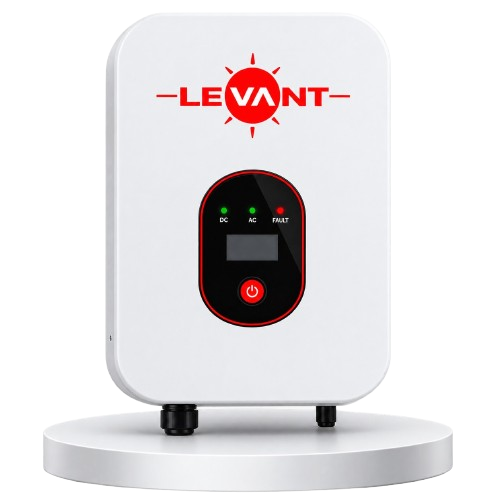
The panel capacity and inverter rating need not be numerically identical, but the combination must remain within the manufacturer's electrical limits and local rules. A higher module total cannot be added safely just because there is spare space on the roof.
Use a generation estimate with visible assumptions
There is no single daily output figure that every Indian rooftop will achieve. Location, season, orientation, temperature, shade, soiling and equipment losses influence production. Ask for a location-specific annual estimate and a monthly breakdown rather than a fixed daily promise.
For illustration only, assume a surveyed design yields 1,400 kWh per installed kWp each year. At that assumed yield, 3 kWp would produce about 4,200 kWh annually and 5 kWp about 7,000 kWh. These are multiplication examples, not typical-output claims or Levant generation guarantees; your site's assessed yield may be different.
Check the actual panel count and roof layout
Module wattage changes the panel count. Six 550 Wp modules total 3.30 kWp; nine total 4.95 kWp. These examples explain array arithmetic, not an approved string arrangement. Inverter voltage, current and MPPT limits still require a professional electrical design.
Roof suitability also includes structural condition, shaded areas, water tanks, safe access, setbacks and maintenance paths. A simple area-per-kW shortcut cannot replace a dimensioned layout. Ask to see where every module will sit before agreeing to capacity.
Compare savings and quotations on the same basis
Electricity used directly at home and electricity exported to the grid may have different financial treatment. Compare daytime usage, the applicable tariff, local export-settlement rules and costs that remain on the bill. Generating as much energy as you consume annually does not automatically mean a zero bill.
Ask each supplier for an itemised installed quotation with the same scope: modules, inverter, mounting, protection, cables, metering responsibilities and warranty terms. If you are considering subsidy, confirm the current official eligibility and approved process before treating it as a deduction.
- Request both 3 kW-class and 5 kW-class options where the roof and connection permit.
- Check the exact DC array capacity and AC inverter rating on each proposal.
- Keep subsidy assumptions separate from the equipment and installation total.
- Include future demand only when the roof, connection and budget support it.
Does either size provide power-cut backup?
Neither 3 kW nor 5 kW describes backup capability. A normal on-grid installation generally stops supplying the house during grid failure. Backup requires suitable equipment, an appropriately sized energy source and safe isolation.
Once you have a surveyed roof layout and a consumption-based capacity estimate, compare module technologies and inverter options. Levant Solar can discuss equipment requirements; a qualified local installer should confirm system design and grid approvals.
Useful to someone planning solar? Pass the guide along.