Understand PM Surya Ghar eligibility, central rooftop solar subsidy, application steps and the checks to make before choosing a home solar system.
Why PM Surya Ghar is in focus
Residential rooftop solar is getting more attention as households look for ways to use more of the electricity generated on their own roofs. In August 2026, the Union Minister for New and Renewable Energy reported that PM Surya Ghar had crossed 50 lakh beneficiary households. That milestone shows the scale of adoption; it does not mean every roof, system or purchase automatically qualifies.
The scheme is administered through the National Portal for Rooftop Solar. Treat that portal and your local electricity distribution company (DISCOM) as the source of truth for current eligibility, vendor and connection requirements.
Who should check eligibility?
The programme is intended for eligible residential electricity consumers installing grid-connected rooftop solar. Before ordering equipment, check that your consumer account, DISCOM area, roof and proposed system meet the live scheme requirements. Commercial connections and off-grid systems may follow different rules.
Ask the installer to explain the approvals, meter changes and documents required for your specific connection. A quote alone is not proof that a system is approved for subsidy.
How much rooftop solar subsidy is available?
The national portal lists central financial assistance of ₹30,000 per kW for the first 2 kW and caps the total central subsidy at ₹78,000 for larger systems under the standard schedule. Special-state rates and local provisions can differ, so confirm the figure shown for your address on the official portal before estimating project cost.
Subsidy is only one part of the decision. Compare the installed system price, expected generation, roof suitability, equipment warranty, maintenance plan and the steps needed to receive the subsidy.
Application steps to understand before installation
The portal guides consumers through registration, application and the DISCOM process. Once the required approvals are in place, the consumer selects an eligible registered vendor, completes installation and follows the portal instructions for inspection, metering and subsidy claim.
Process details can change. Use the current portal checklist rather than relying on an old video or an informal promise from a seller. Keep copies of the application, approved system details, invoices and commissioning documents.
- Check the current rules for your state, DISCOM and consumer connection.
- Confirm vendor registration and the exact equipment configuration before paying.
- Ask who handles inspection, meter coordination and subsidy documentation.
- Use the portal to track the application and any subsidy status.
Plan the system for your home, not just the subsidy
Start with recent electricity bills, daytime usage and the usable roof area. Shade, roof direction, structural condition and local grid rules affect system design. A system sized for the subsidy ceiling may not be the right size for every household.
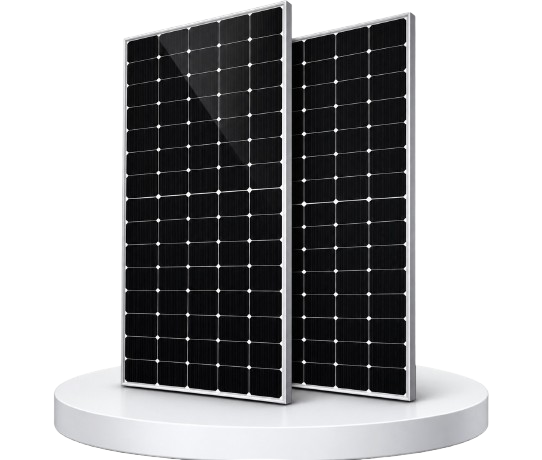
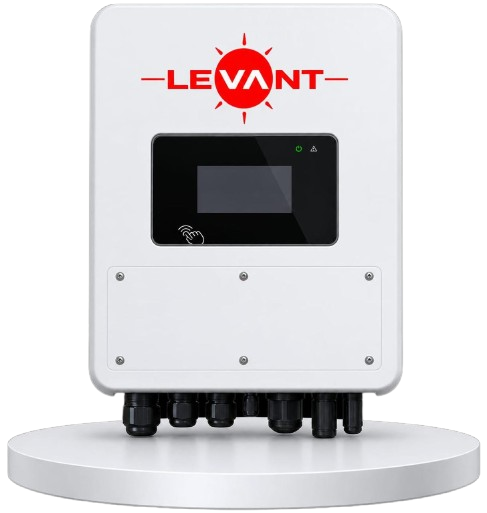
Ask for a written design showing the proposed module capacity, inverter, expected generation assumptions and applicable approvals. Review the solar module ranges and discuss the complete system with a qualified local installer.
Useful to someone planning solar? Pass the guide along.