Learn how to monitor rooftop solar performance, plan safe professional panel cleaning and recognise faults that need a qualified installer.
Monitor performance before assuming panels need cleaning
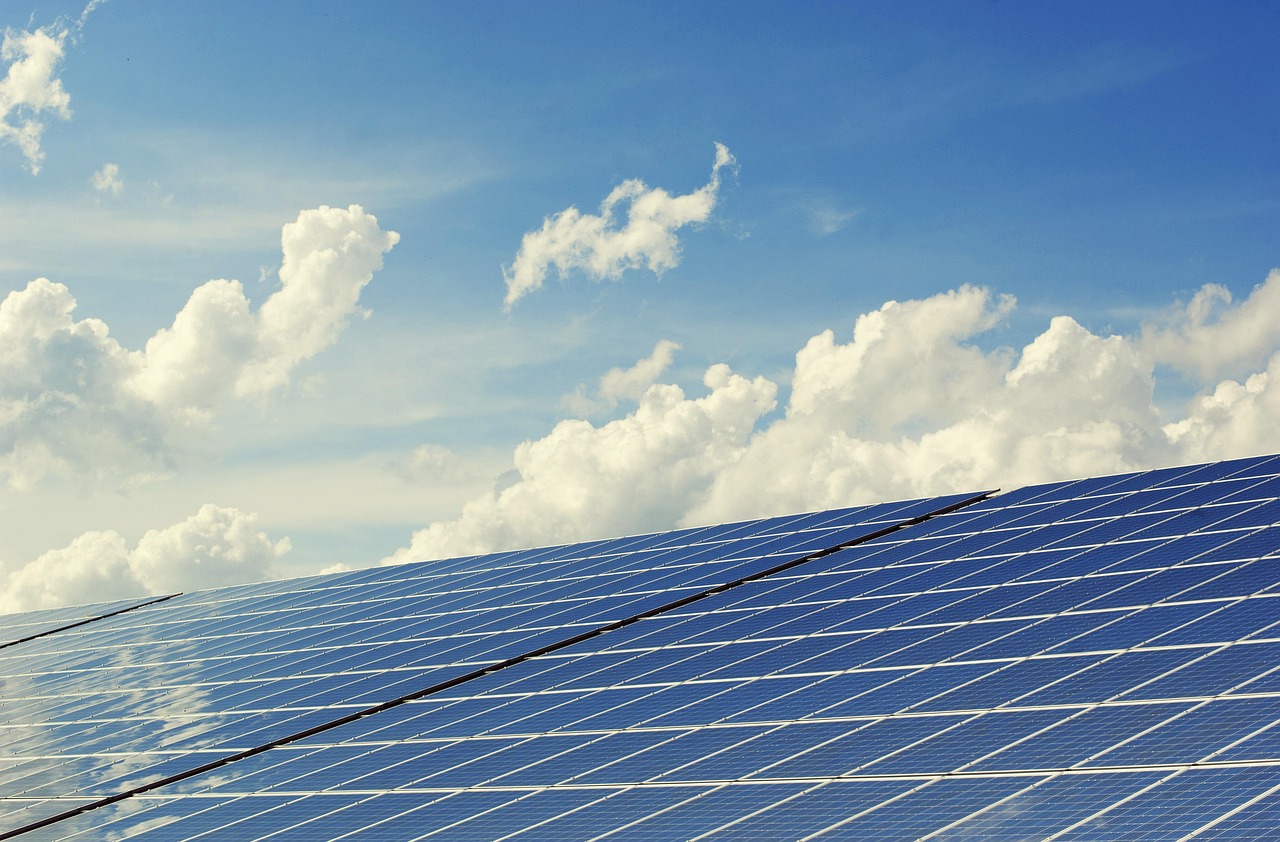
Dust, debris and shading can reduce solar generation, but a lower daily reading is not always a cleaning problem. Cloud cover, season, temperature, a grid interruption or an inverter fault can also change output. Start with the monitoring information already available to you.
Compare similar weather conditions and, where possible, the same season. Keep a record of daily or monthly generation, inverter alerts and service visits. A consistent unexplained drop on clear days deserves professional attention rather than repeated cleaning without diagnosis.
How often should solar panels be cleaned?
There is no universal weekly or monthly schedule for every Indian rooftop. Dusty roads, nearby construction, bird activity, rainfall, module tilt and roof access all affect the right interval. The module manufacturer's instructions and the installer's maintenance plan should guide the decision.
Rain may remove some loose dirt but may not clear persistent deposits. Ask a qualified service provider to assess the actual condition and whether cleaning is justified. Avoid treating a fixed percentage improvement in generation as guaranteed.
Keep rooftop cleaning a professional task
Rooftops combine fall hazards, electrical equipment and water. Solar modules can produce voltage in daylight even if the building's mains supply is switched off. Arrange cleaning and electrical inspection through qualified professionals rather than climbing onto the roof yourself.
Ask the service provider to follow the module maker's permitted cleaning methods and site safety plan. Abrasive tools, unsuitable chemicals, walking on modules or inappropriate water pressure can damage equipment. This guide is an owner checklist, not a live-system cleaning or isolation procedure.
A service visit should check more than the glass
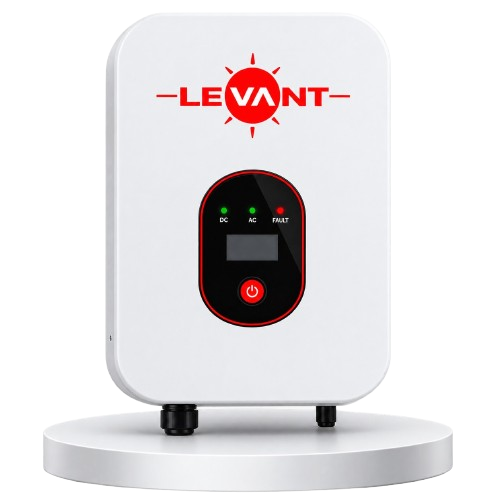
A solar system includes mounting, wiring, connectors, protection equipment and an inverter as well as panels. A qualified technician should inspect the system as a whole and document any defects. Owners can note visible concerns from a safe location but should not open enclosures or touch electrical connections.
Request a written service report and keep it with the original installation documents. This helps distinguish normal seasonal variation from an equipment issue and gives a clear record if warranty support is needed.
- Review generation trends and inverter or battery fault history.
- Check for new shading and arrange safe vegetation management where needed.
- Have mounting, cable condition, connectors and protective equipment inspected professionally.
- Check that equipment ventilation and required access remain clear.
- Record findings, corrective work and the next maintenance review.
When should you contact the installer promptly?
Report repeated shutdowns, persistent fault codes, damaged visible wiring, cracked modules or water entering equipment. Stay away from suspected electrical damage and do not attempt repairs. In an immediate fire or electrical emergency, keep people clear and contact the appropriate emergency services.
Share the fault message, when it occurred and relevant monitoring records with the installer without opening equipment to investigate. Do not repeatedly reset a protective device or reconnect equipment unless a qualified professional has determined that it is safe.
Keep an owner file for the life of the system
Store the module and inverter datasheets, layout, commissioning records, warranties, installer contact details and maintenance reports together. Confirm the responsibilities and service terms in your own installation agreement rather than assuming every cleaning or visit is covered.
For Levant Solar modules, use the datasheet provided for the correct product family and ask for the applicable installation and maintenance documentation. Good monitoring and timely professional service are more useful than aggressive cleaning or unsupported performance promises.
Useful to someone planning solar? Pass the guide along.