Learn how to size a hybrid solar inverter and battery backup for home loads, runtime, surge needs and equipment compatibility.
First, separate inverter power from battery energy
A hybrid inverter manages power from solar modules, a battery and the grid according to the system design. Its power rating, measured in kW, indicates how much load it can support at a moment in time. Battery capacity, measured in kWh, describes how much energy can be stored.
A larger inverter does not automatically provide longer backup. Runtime depends on the usable battery energy and the average load connected to the backup circuits.
Make a critical-load list before sizing
List the appliances you actually want to keep running during an outage. Note their rated power, how many may run at once, their starting surge and the number of backup hours you want. Separate essential circuits from optional high-power loads such as water heaters or air conditioners.
A simple first estimate is the total average critical load in kW multiplied by the required hours. The final battery size must also account for usable capacity, inverter losses, reserve settings and the battery manufacturer’s limits.
- Which lights, fans, router, refrigerator or other circuits are essential?
- What is the combined running load and the largest starting surge?
- How long should backup last, and which loads can be switched off?
- Will solar be available during the outage, or must the battery cover it alone?
Check the inverter, battery and home wiring together
Before purchasing, confirm battery voltage, chemistry, charge and discharge limits, BMS communication and the exact inverter compatibility list. Also check the PV input capacity, number of MPPTs, phase, backup output and which circuits remain energised during a grid outage.
Not every grid-connected inverter provides backup. Many standard grid-tied systems shut down when the utility grid fails; a correctly configured hybrid system needs the appropriate backup output, battery and wiring. Ask a qualified installer to explain the changeover and protection plan.
Choose capacity around real usage
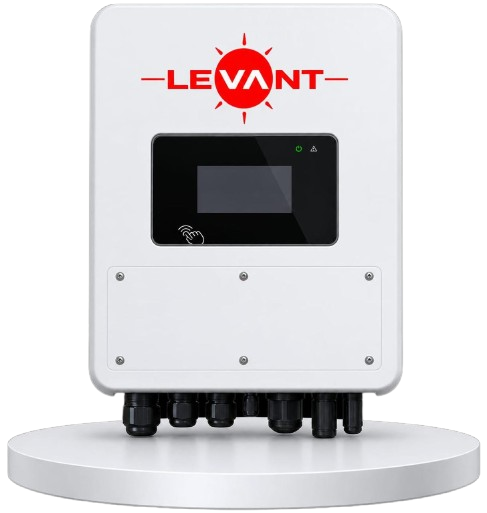
Levant Solar’s listed hybrid inverter options range from 3 kW to 11 kW, and its listed lithium battery products include 5.12 kWh and 10.24 kWh nominal capacities. These figures describe the product range; they are not a recommendation that a particular combination will suit every home.
Ask for a load schedule and a written design that shows the selected inverter, battery, backup circuits, expected runtime assumptions, solar input and safety devices. Review the hybrid inverter and lithium battery options, and confirm compatibility for the exact models before ordering.
Questions to ask your installer
A good proposal explains what will and will not run during an outage, how long the selected battery is expected to last under the agreed load, and what happens when the battery is low. It should also cover earthing, over-current protection, isolation, commissioning and ongoing service.
Avoid choosing only by the advertised inverter kW or battery kWh. The complete system design, approved wiring and clear backup expectations are what make a solar battery backup useful in daily life.
Useful to someone planning solar? Pass the guide along.